



VW Repairs
VW Golf Mk3 Brake, Misfire & Relay 30 Faults | SA Guide

6 min read

The VW Golf Mk3, produced from 1991 to 1997, remains a popular choice among enthusiasts. Like any ageing vehicle, though, it comes with its share of common problems. This guide covers the faults reported most often by Mk3 owners — from brake failures to engine misfires — with diagnostic tips and proven solutions.
Brake System Problems
Critical safety issue
Brake failures on the Golf Mk3 can be sudden and complete. If your brake pedal goes to the floor, stop driving immediately and get professional help.
Complete Brake Failure
Symptoms
- Brake pedal goes fully to the floor
- Complete loss of brake pressure
- Brakes work with the engine off but fail when it is running
- Soft pedal that firms up when pumped
Common causes
- Air trapped in the brake system
- Failed brake master cylinder
- Brake booster malfunction
- Internal brake fluid leaks
Repair solutions
- Replace the brake booster and master cylinder — these often fail together
- Bleed the system thoroughly — every trace of air has to come out
- Check for brake fluid leaks — inspect all brake lines and connections
- Bench-bleed the master cylinder properly — follow the VW-specific procedure
Cost estimate: a complete brake system repair — booster, master cylinder and labour — typically ranges from R3,000 to R5,000.
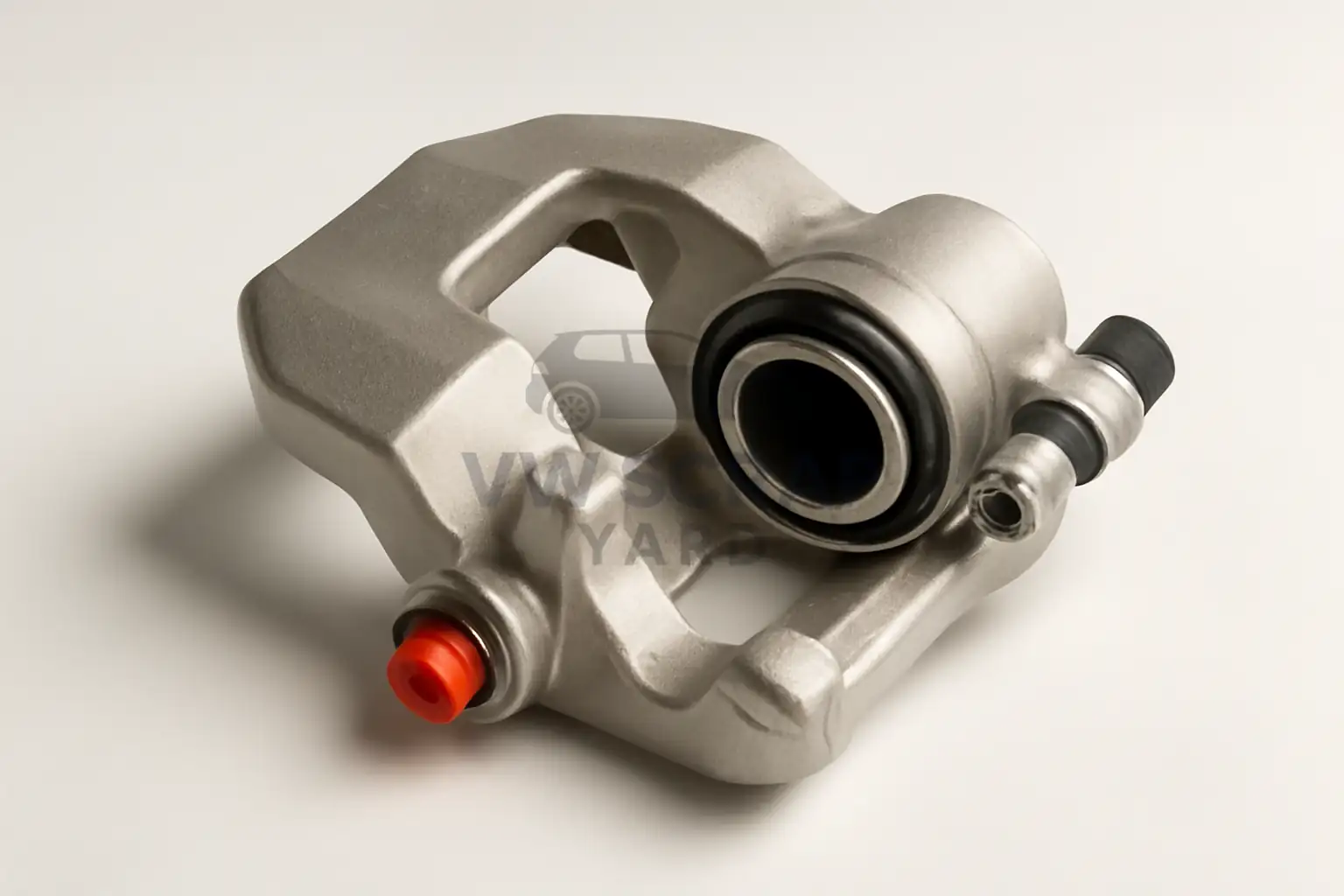
Booster and master cylinder both gone?
Used brake boosters, master cylinders and calipers for the Golf Mk3 and Jetta 3. Send us your VIN and we will confirm which variant your car left the factory with before quoting.
Get a price →Engine Performance Issues
Misfire Between 2000 and 3000 RPM
Symptoms
- Jerking and shuddering between 2000 and 3000rpm
- Runs fine above 3000rpm
- Clean idle with no issues at all
- Problem only appears under load
Primary causes
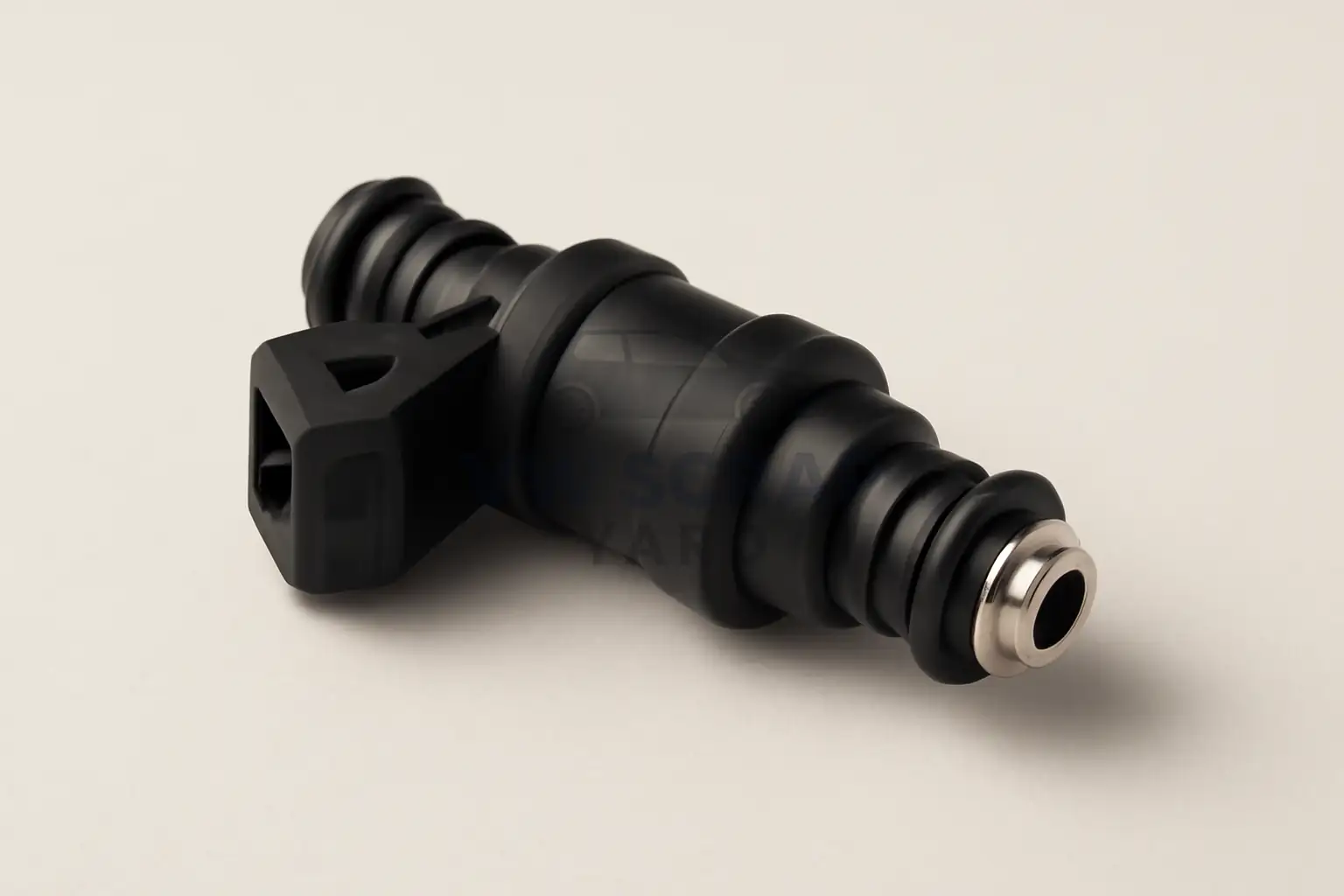
- Faulty throttle position sensor (TPS)
- Dirty throttle body
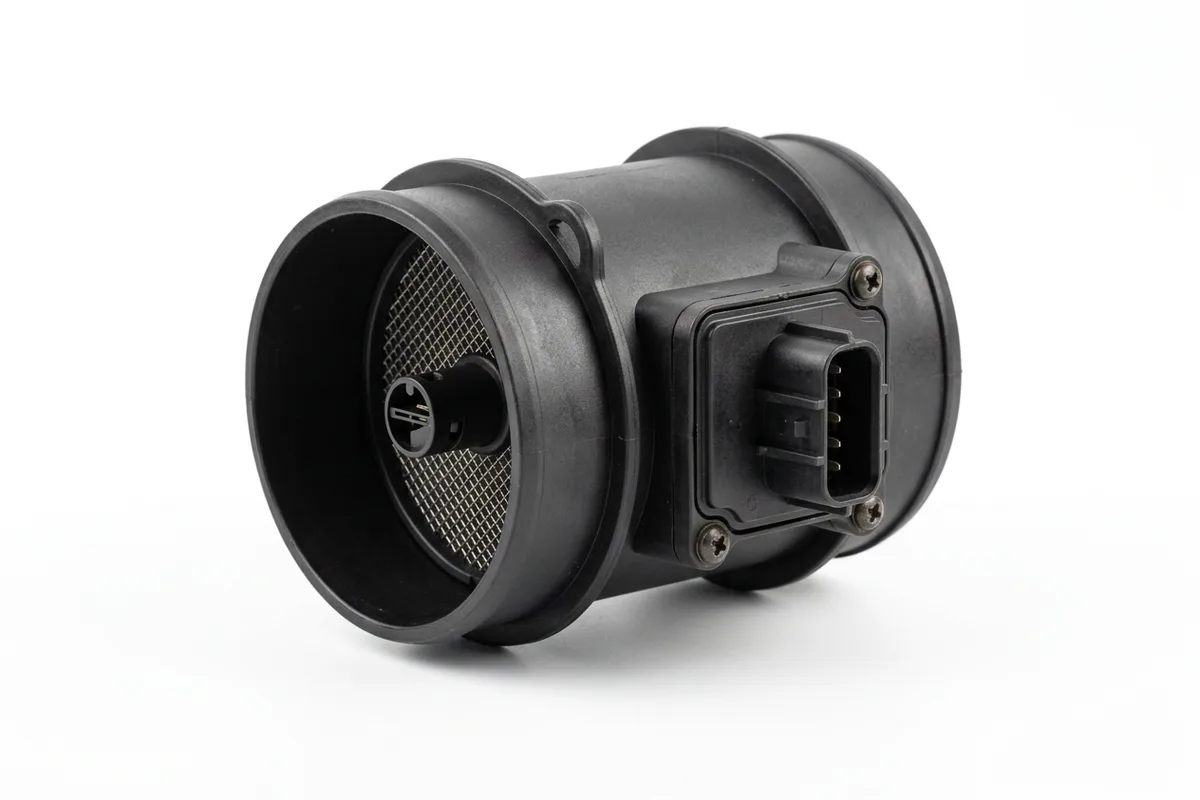
- Contaminated airflow meter
- Plug leads burnt by exhaust heat
Proven fix sequence
- Replace the throttle position sensor — the most common culprit by far
- Clean the throttle body thoroughly — use a proper throttle body cleaner
- Clean the airflow meter — use MAF sensor cleaner, nothing else
- Inspect and replace burnt plug leads — check for heat damage near the downpipe
- Replace spark plugs if worn — stick to OEM specification plugs
Still chasing that 2,000–3,000rpm misfire?
Throttle position sensors, throttle bodies, airflow meters, coils and plug leads for the Golf Mk3. Tell us your engine code and we will match the right sensor to your injection system.
Get a price →Fuel Injection Problems (GTI Models)
Symptoms
- Engine cranks but backfires heavily
- Only two of the four cylinders firing
- Injectors 2 and 4 not functioning
- Rough idle and poor performance
Root causes
- Blocked fuel rail on the 2E engine
- Individual injector failures
- Internal fuel rail contamination
- Age-related fuel system degradation
Parts availability issue
The 2E fuel rail is no longer available new from VW. The options are an MP9 fuel rail conversion or professional ultrasonic cleaning — though success rates on cleaning are variable, so budget for the conversion if the rail is badly contaminated.
Electrical System Issues
Intermittent Starting Problems
Quick fix: ECU relay 30
Experienced VW mechanics report that replacing ECU relay 30 fixes intermittent starting problems in around 90% of cases. The relay costs roughly R138 from a VW dealer.
Location: the engine bay fusebox, clearly marked as relay 30.
Symptoms
- Starter clicks but the engine won't turn
- Dashboard lights come on normally
- Fuel pump can be heard running
- Push starting works fine
- Problem returns after a few successful starts
Additional solutions
- Check and clean the earth connections
- Test the battery under load
- Inspect ignition switch operation
- Verify the alternator charging rate
Ignition Coil Failures
Prevention strategy
Use only quality coils — Febi Bilstein or Bosch — and make sure the earth connections are clean and tight. Cheap coils fail quickly on the Golf Mk3.
- Clean the earth cable connections regularly
- Check for contamination on the earth surfaces
- Consider Telefunken coils if you can find them
Headlight Problems
Fuse configuration
The Golf Mk3 uses four separate fuses for the headlights:
- Left headlight high beam
- Right headlight high beam
- Left headlight low beam
- Right headlight low beam
Easy fix
If one headlight stops working and swapping the bulb doesn't help, check the specific fuse for that light. Most single-headlight failures are simply a blown fuse.
Transmission & Drivetrain Issues
Gearbox Problems
Common issues
- Broken reverse gear prevention mechanism
- Premature clutch failure, sometimes within three months — our burnt clutch symptoms guide covers the early warning signs
- Gear lever console mechanism problems
- Difficulty engaging reverse gear
Repair solutions
- Inspect the gear lever console mechanism
- Replace the plastic reverse gear plate
- Full clutch replacement if it is slipping
- Check the gear linkage adjustment
- Where the box itself is worn out, a used VW gearbox is usually the cheaper route
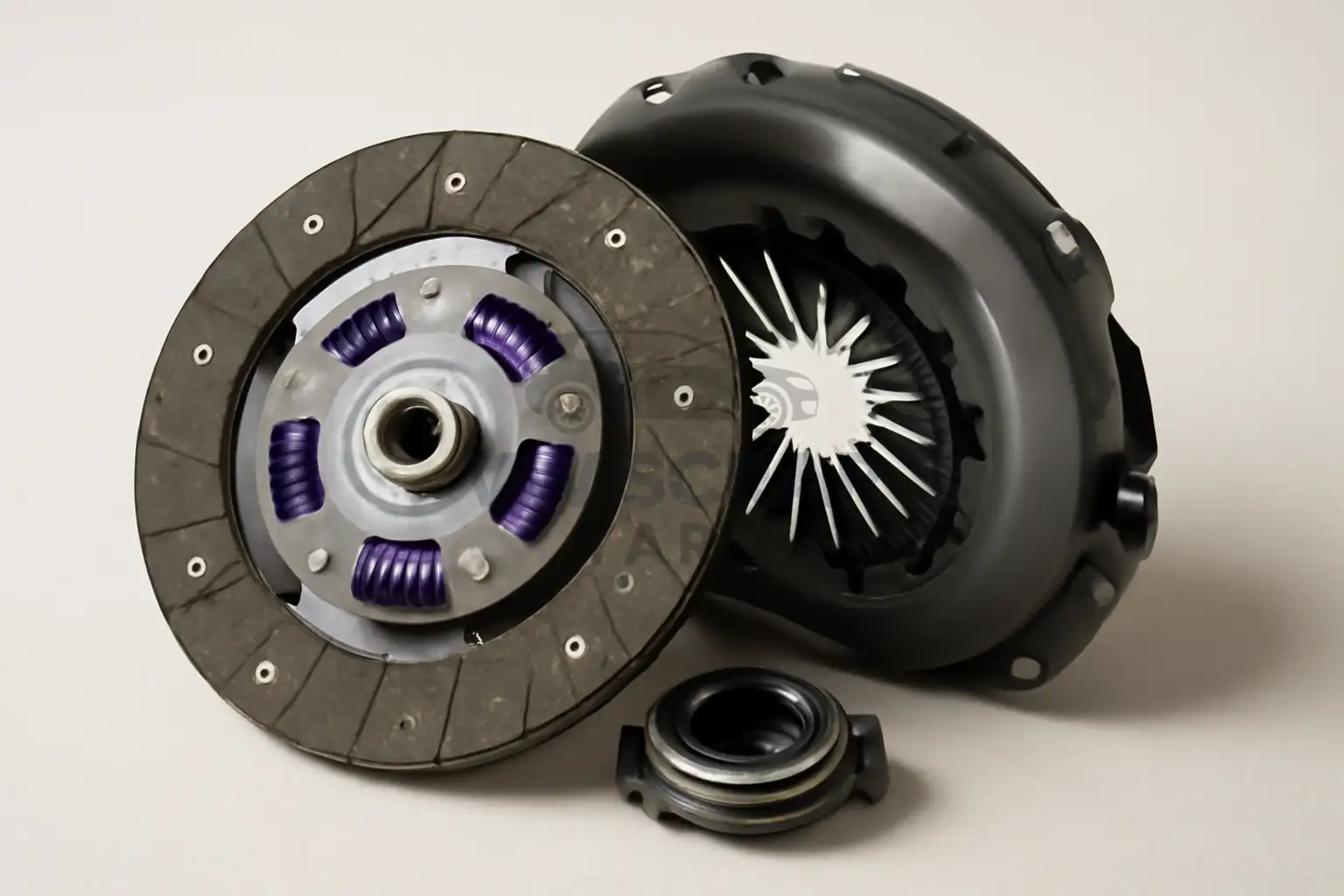
Clutch gone again after three months?
Clutch kits, pressure plates, release bearings and complete used Mk3 gearboxes. Send us the engine and gearbox codes and we will confirm which combination fits before anything comes apart.
Get a price →Carburettor Issues (Non-Injection Models)
Engine Dies on Acceleration
Symptoms
- Engine dies when accelerating
- Idles normally but stalls under throttle
- Cannot use full accelerator travel
- Carburettor spits air back and the engine dies
- Accelerator pump leaking petrol
Repair steps
- Replace the accelerator pump diaphragm
- Set the float level correctly
- Clean all jets with carb cleaner
- Install a complete carburettor rebuild kit
- Adjust the air screw properly
Parts cost: a GW-R720 replacement carburettor was quoted at R395 in the community forums.
Suspension System Issues
Clunking and Knocking Noises
Diagnosis challenge
Suspension noises can persist even after new shocks and springs have gone in. Professional diagnosis is often needed to pin down the exact source of the clunk.
Common symptoms
- Clunking when reversing and turning
- Knocking that persists after shock replacement
- Noise during suspension movement
- Sounds that worsen over time
Likely culprits
- Worn shock mountings (check these first)
- Failed ball joints
- Deteriorated control arm bushes
- CV joint problems
Prevention & Maintenance Tips
Regular maintenance
- Check the brake fluid level monthly
- Clean earth connections annually
- Replace ECU relay 30 every five years
- Use quality OEM parts wherever you can
Early warning signs
- Soft brake pedal — check it immediately
- Engine hesitation — clean or replace the TPS
- Intermittent starting — replace relay 30
- Any new noise — investigate promptly
Need Golf Mk3 Parts?
Quality used VW parts for your Mk3 repair project — brake boosters, master cylinders, throttle bodies, fuel rails and complete gearboxes. Browse the used VW Golf parts range or send us your requirement and we’ll come back with a price.
Frequently asked questions
What are the most common brake problems in a VW Golf Mk3?
Why does my Golf Mk3 GTI misfire between 2000 and 3000 RPM?
What causes intermittent starting problems in a Golf Mk3?
How much does it cost to fix Golf Mk3 brake problems?
Are Golf Mk3 parts still available in South Africa?
Should I buy a Golf Mk3 with known problems?
Parts we strip for this job
If this guide has pointed you at a part, these are the pages worth a look. Not sure which one you need? Send us the details and we will work it out with you.