

VW Repairs
VW DSG Gearbox Problems: Dry DQ200 vs Wet-Clutch Faults

5 min read
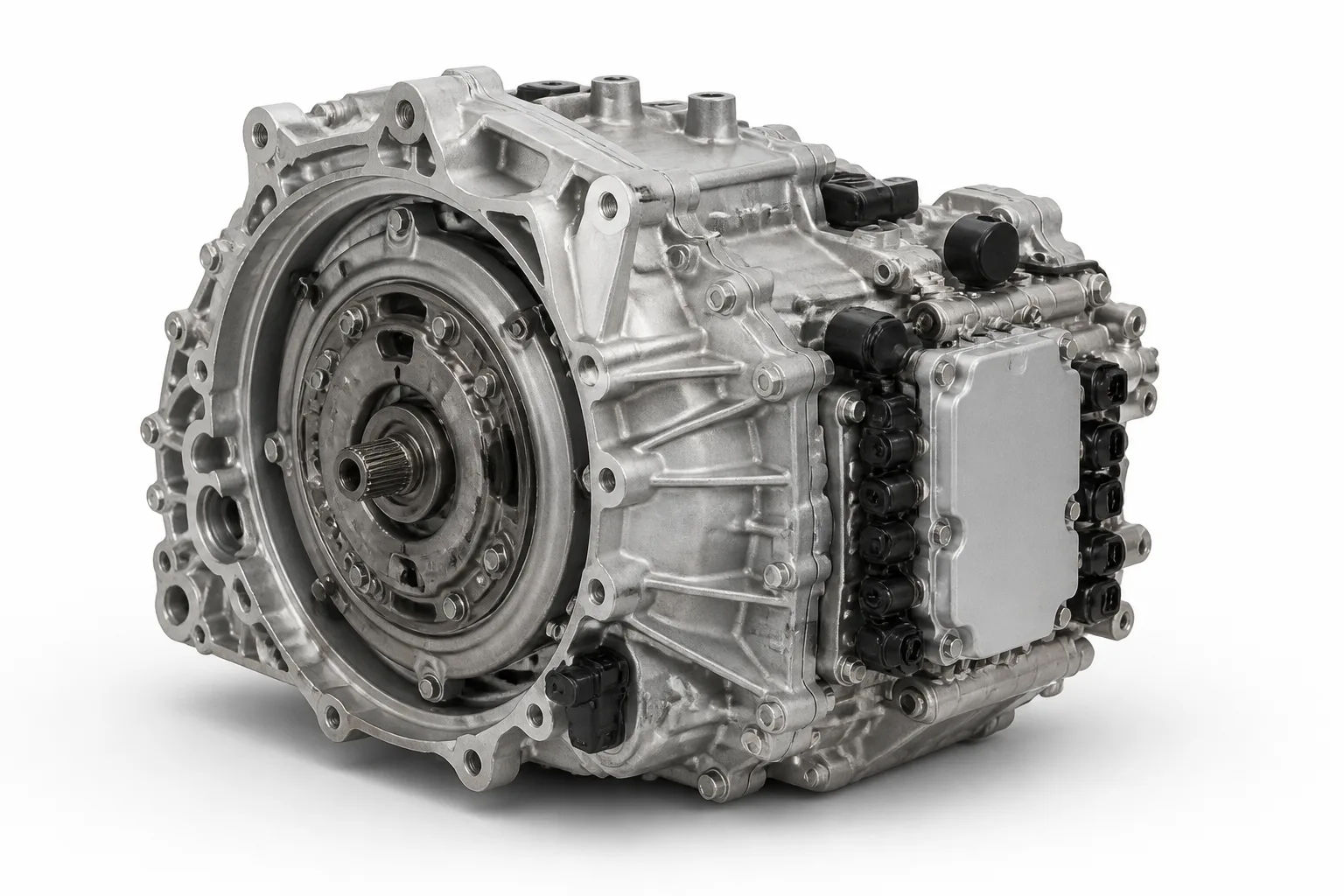
If your VW’s gearbox is jerking, slipping or refusing to select a gear, the first question is not “how much is a new DSG?” It is which DSG do you have? Volkswagen built two quite different families under the same name, and they go wrong in different ways.
- The seven-speed dry DQ200 uses dry clutches and very little oil. It is the one South African motoring press calls “notorious for reliability issues”. (Source: Cars.co.za Tiguan buyer’s guide)
- The wet-clutch boxes, such as the six-speed DQ250 and the seven-speed DQ500, run their clutches in oil. Cars.co.za describes them as far less problematic, though they still rely on their oil being looked after.
This guide covers how each one fails and what to check before you agree to an expensive repair.
Which DSG is in your VW?
When Volkswagen introduced the seven-speed DQ200 in 2007, it swapped the six-speed DSG’s oil-bathed clutches for “a pair of dry, organic bonded friction linings that do not require cooling”. Because the clutches need no oil, the gearbox carries just 1.7 litres, split into one circuit for the gears and one for the gear actuators. At launch it was rated for up to 184 lb-ft of torque, about 250 Nm, which suited it to smaller engines. (Source: New Atlas, May 2007)
In South Africa that meant the dry box turned up in some popular cars. The fifth-generation Polo GTI arrived in April 2011 with a seven-speed DSG and no manual option, and Cars.co.za notes that “the GTI’s dry dual-clutch transmission was also known to present reliability troubles”, while adding that hard driving may have made that worse. (Source: Cars.co.za Polo 2010-2017 buyer’s guide)
The second-generation Tiguan is the counter-example. Locally, the 1.4 TSI used the wet DQ250 and the 2.0 TSI and 2.0 TDI used the wet DQ500, so it avoided the DQ200 altogether. Even so, Cars.co.za warns that “no dual-clutch unit is immune to potential issues” and tells buyers to watch the gearbox closely on a test drive. Our VW Tiguan problems guide covers that car in more detail.
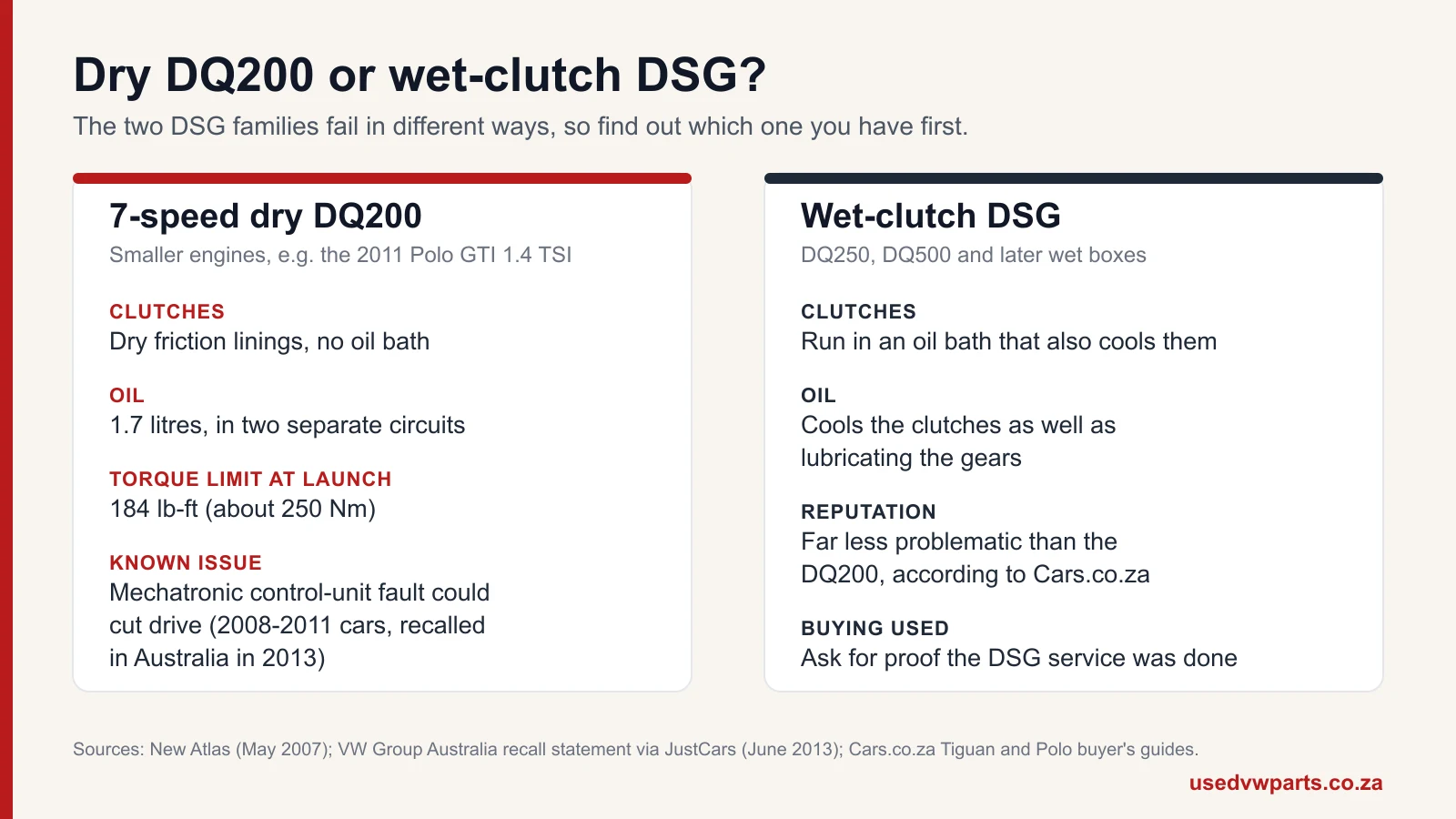
The reliable way to be sure is the gearbox code. If you are asking us for parts, send the code off the casing or your VIN and we will confirm the match.
Loss of drive on the dry DQ200
The most serious DQ200 fault is the one that led to a recall overseas. In June 2013 Volkswagen Group Australia recalled 25,928 cars with the seven-speed DQ200, covering Golf, Jetta, Polo, Passat and Caddy models built between June 2008 and September 2011. VW’s explanation was that “an electronic malfunction in the control unit inside the gearbox mechatronics may result in a power interruption”. Steering and brakes kept working, and the fix was a replacement mechatronic unit plus updated software. (Source: JustCars, quoting VW Group Australia, June 2013)
That was an Australian campaign, and the build dates matter. If you own a DQ200 car from that era and it loses drive on the move, ask a VW dealer to check your VIN for any outstanding gearbox campaign before you pay for a mechatronic yourself.
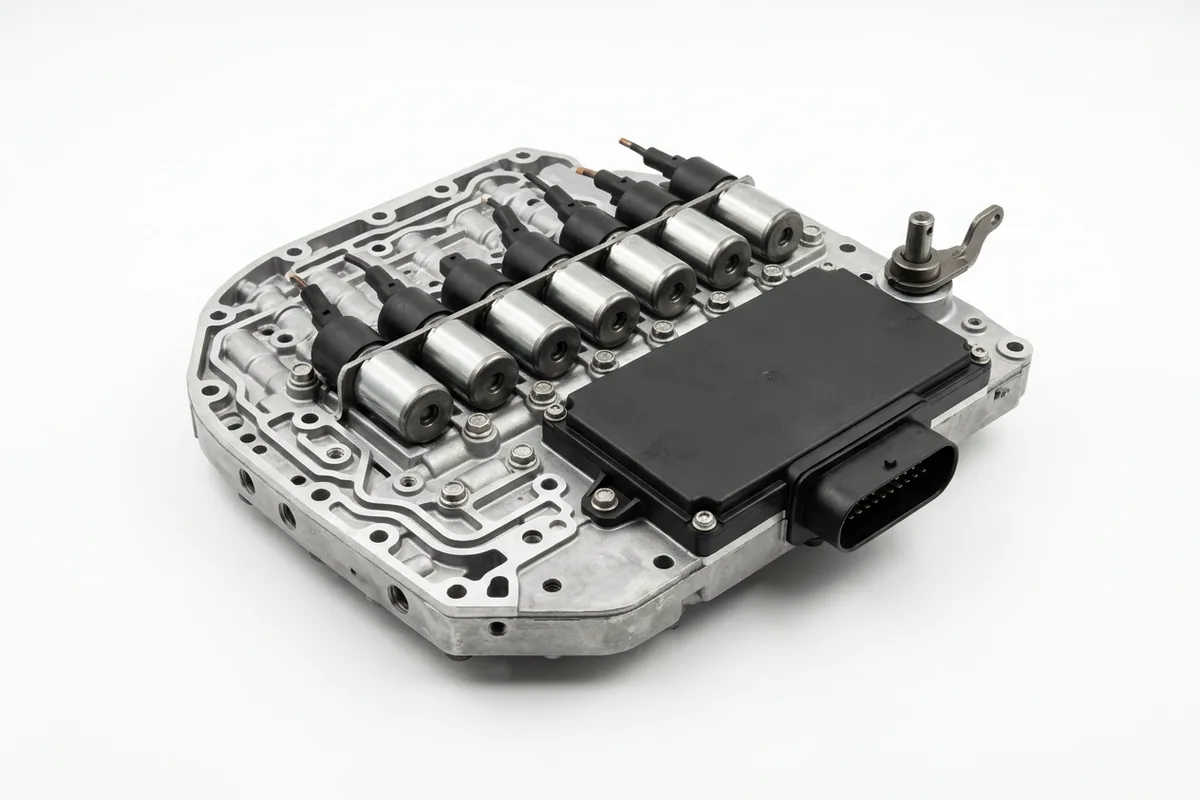
Mechatronic unit or the whole gearbox?
Used and tested DQ200 mechatronic units and complete seven-speed DSG gearboxes for Polo, Golf, Jetta and Caddy. Send the gearbox code or VIN and we will confirm which part fits.
Get a price →Wet-clutch boxes: the oil does the hard work
The six-speed DSG that came first runs its two clutches “submerged in oil”, and that oil has to cool them as well as lubricate the gears. Taking the clutches out of the oil is how the dry seven-speed cut its oil volume by 75 per cent compared with the six-speed. (Source: New Atlas, May 2007)
Our view, not a published rule: on a wet-clutch DSG, the gearbox oil is a working part, not a fill-and-forget fluid. Check your service book for when the gearbox oil and filter are due on your car. If you are buying a used VW with a wet-clutch DSG, ask for proof that it was done. A missing DSG service on a high-mileage car is a reason to negotiate, or to walk away.
Before you pay for anything, get the codes read
A DSG that jerks, slips or refuses to pick a gear could have a sensor, wiring, clutch or mechatronic fault, and they can feel similar from the driver’s seat. A scan with a VW-capable diagnostic tool is the cheap first step, because it tells the workshop which of those it is dealing with. Swapping parts on guesswork is how a modest repair turns into an expensive one. When the scan points at the control side, you can see what is in stock on our DSG mechatronic units page.
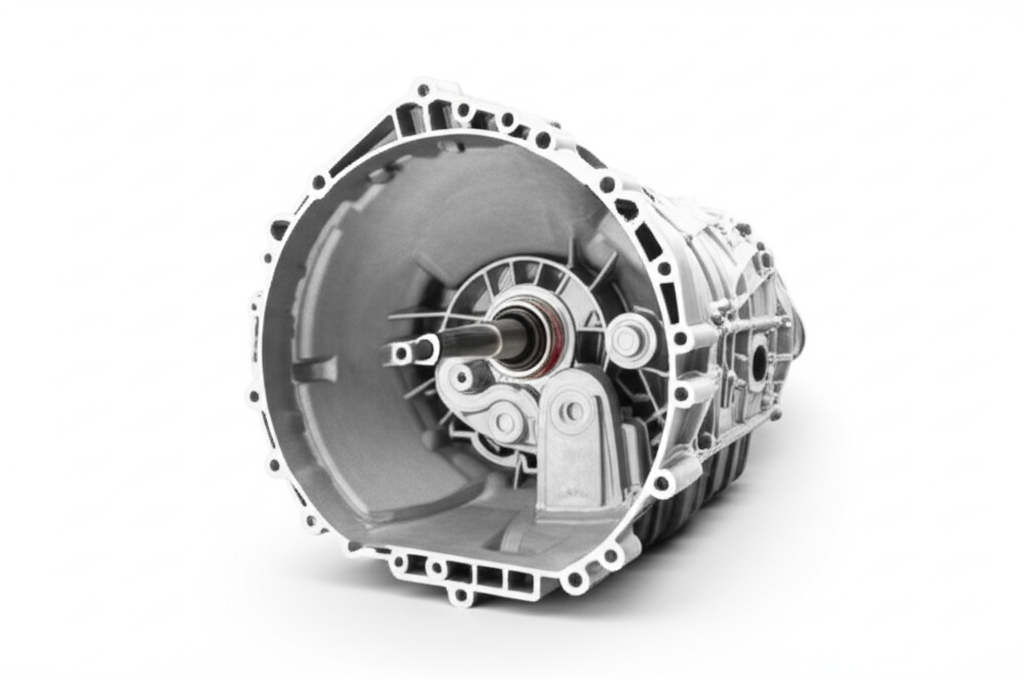
Worn clutches or a tired mechatronic?
Wet clutch packs, mechatronic units and complete DQ250 and DQ500 gearboxes for Golf GTI, Jetta, Passat, Tiguan and Transporter. Tell us what the scan found and we will price the right part.
Get a price →Repair the part or replace the gearbox?
Once the codes are read, the decision usually falls into one of three routes:
- A mechatronic fault with healthy clutches. Replacing or reconditioning the mechatronic alone usually costs less than a complete gearbox. The early DQ200 recall fix was a mechatronic replacement too.
- Worn clutches. On a wet-clutch box the clutch pack can be replaced on its own, with fresh fluid and filter at the same time.
- Several faults at once, or internal damage. A tested used gearbox with the same code is often the most economical answer. Current price ranges for each DSG code are on our used DSG gearboxes page.
Whichever route you take, ask the workshop to run the gearbox’s adaptation with a VW diagnostic tool once the work is done.
DSG problems model by model
Two of our model guides go deeper on how the DSG behaves in a particular car:
- T-Cross: its dry DQ200 gearbox and the clutch and mechatronic faults owners report, in our T-Cross problems guide.
- Golf 6 GTI: the wet DQ250 and its mechatronic, in our guide to Golf 6 GTI problems.
Frequently asked questions
How do I know if my VW has a dry or a wet-clutch DSG?
Is a used DSG gearbox a safe buy?
Does the dry DQ200 need its oil changed like the wet DSG?
Parts we strip for this job
If this guide has pointed you at a part, these are the pages worth a look. Not sure which one you need? Send us the details and we will work it out with you.