
VW Repairs
VW Amarok Common Problems: 2.0 TDI & 3.0 V6 Faults

Updated 16 min read
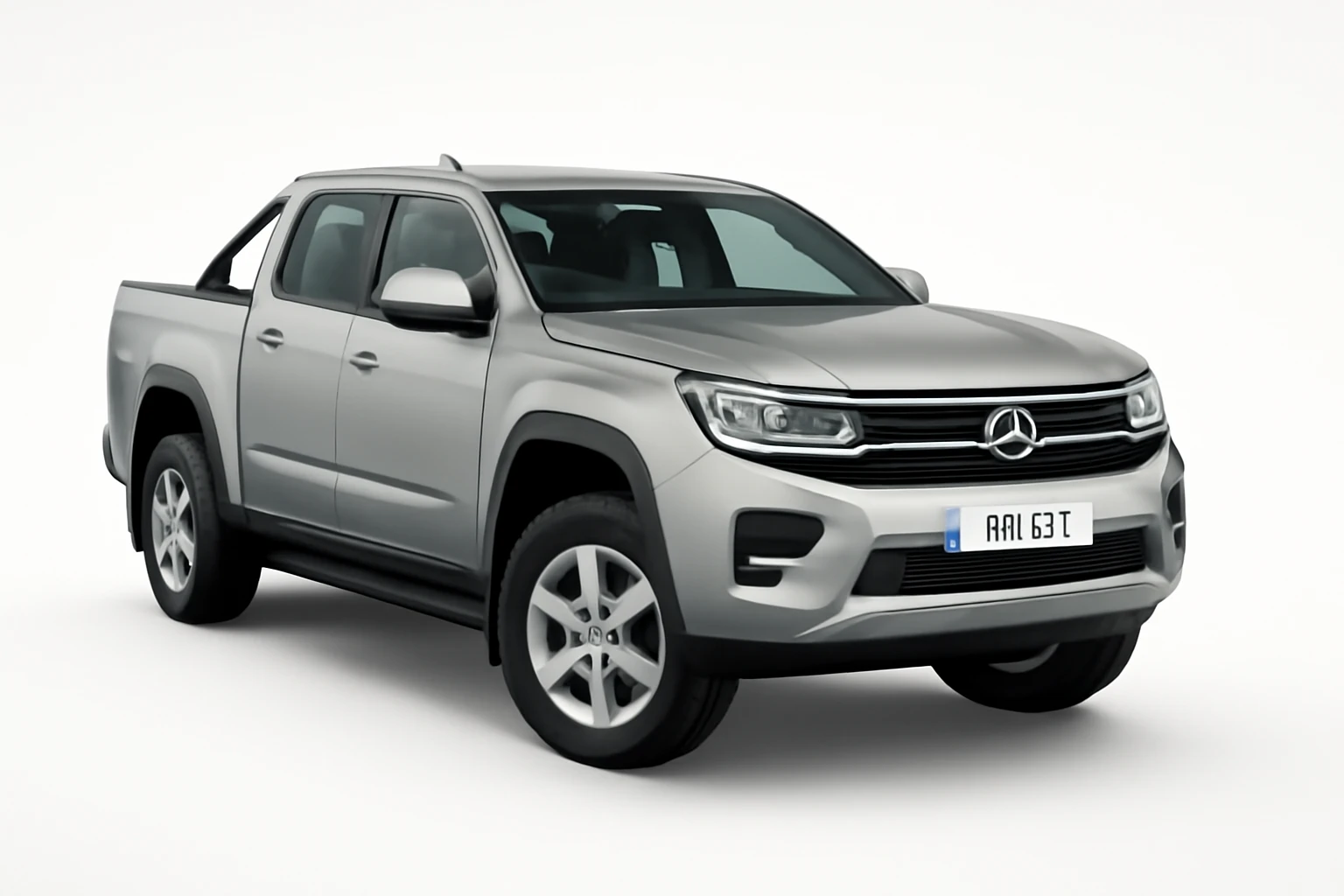
The Amarok is one of South Africa’s most popular bakkies, and it has been sold here with two very different diesel engines. Which one you have changes almost everything about what is likely to go wrong.
- 2.0 TDI and 2.0 BiTDI (four-cylinder, EA189 family — CDBA, CNFA, CNFB, CDCA, CNEA, CSHA). The volume seller. Its worst fault is a belt failure that can destroy the engine.
- 3.0 V6 TDI. The one people upgrade to. Its recurring faults are DPF blockages, thermostat failure and EGR cooler leaks.
Some problems affect both. Each section below says which engine it applies to, so you can skip what does not concern you. If you need replacement parts for your bakkie, our VW Amarok parts section carries quality used components.
Serpentine belt failure that destroys the engine — 2.0 TDI and BiTDI
Applies to: all 2.0 TDI and 2.0 BiTDI models. Worst on vehicles built before May 2012.
The serpentine belt drives the ancillaries, and on this engine it frays and shreds — often well before its nominal change interval, with a misaligned pulley documented as the reason. On most vehicles a shredded ancillary belt is an inconvenience.
Here it is not. The fragments get past the timing belt cover and reach the toothed timing belt behind it. Once debris fouls the timing belt the cam timing jumps, and because this is an interference diesel, the valves then strike the pistons.
What you would notice
- Squealing, chirping or any new noise from the front of the engine — on this engine that noise is the warning
- Visible fraying or cracking, or a strip missing from the edge of the belt
- Sudden loss of power steering, charging or air conditioning as the belt lets go
- The engine stopping abruptly and refusing to restart, or running catastrophically roughly
- On strip-down: bent valves and valve-to-piston contact marks
What to actually do
- Treat the serpentine belt as a safety item, not a service item. The documented recommendation is to change it when it starts making noise, or at 60,000 km — earlier than VW’s own 75,000 km figure. On a twelve-to-sixteen-year-old bakkie that is cheap insurance.
- Establish which timing belt cover it has. The revised design has been fitted since May 2012, and SA owners report vehicles serviced at VW had it fitted under the service campaign, in some cases out of warranty. On any pre-2012 Amarok, that is a concrete question to put to a workshop before you buy.
- Fix the alignment, not just the belt. A misaligned pulley is the documented reason the belt wears early. A new belt on worn, misaligned pulleys buys you less time than you think.
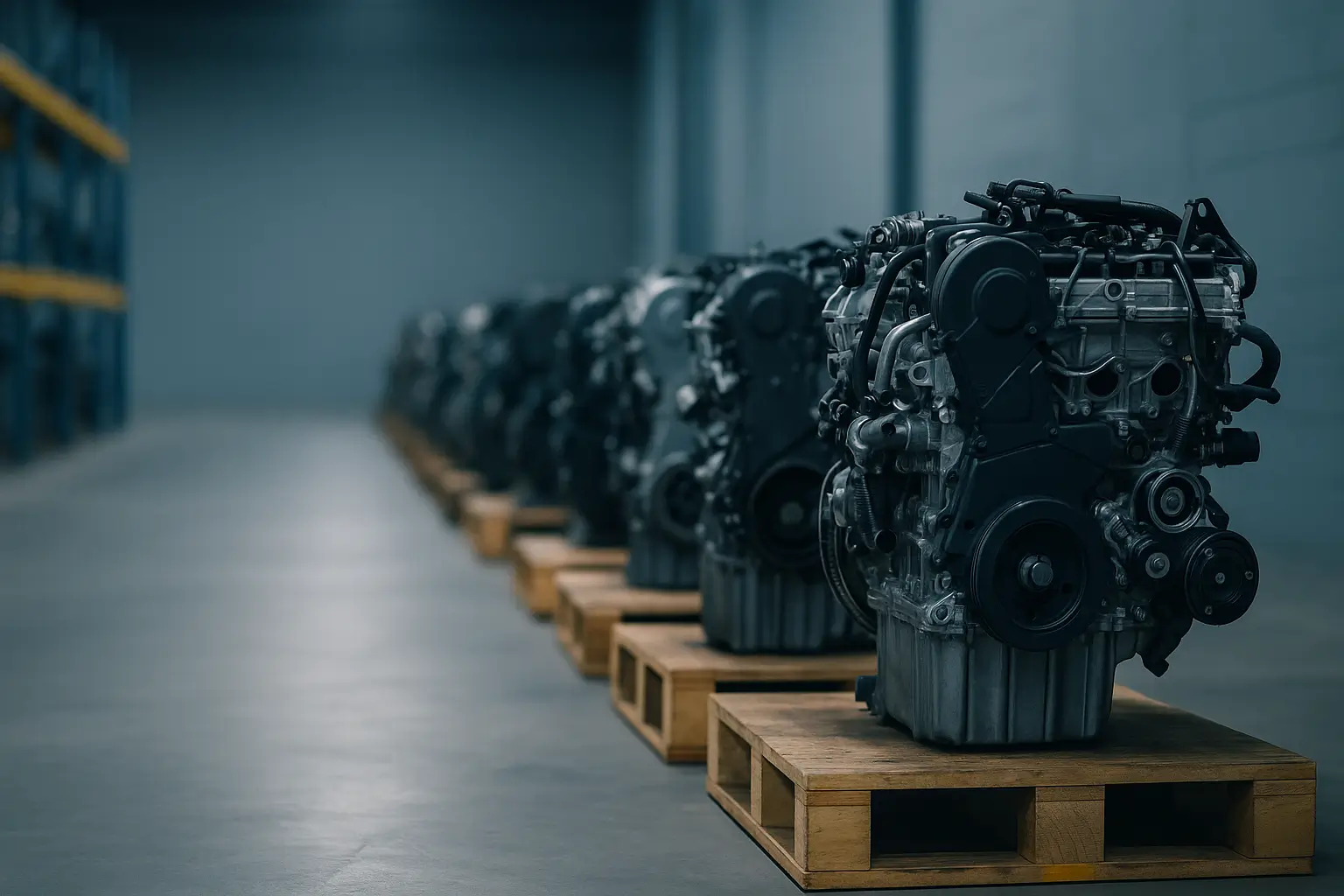
Belt already let go?
Used 2.0 TDI and BiTDI Amarok engines and cylinder heads — CDBA, CNFA, CNFB, CDCA, CNEA and CSHA. Tell us your engine code and how far the damage went and we will price the sensible route.
Get a price →No power below 3,000 rpm — 2.0 BiTDI turbo actuator
Applies to: 2.0 BiTDI only (CDCA, CNEA, CSHA). Not the single-turbo 2.0 TDI, not the V6.
The BiTDI runs a small high-pressure turbo and a large low-pressure turbo, with a valve splitting flow between them. That valve is worked by a large electronic actuator — a stepper motor with a position sensor — and the actuator is a documented failure point in its own right.
The signature complaint is specific and worth recognising: very weak power below about 3,000 rpm while the engine feels normal above 3,500 rpm. That is the two turbos failing to hand over. Alongside it you will usually get an underboost code, limp mode, jerky boost that spikes then collapses, and power loss exactly when you are climbing or towing.
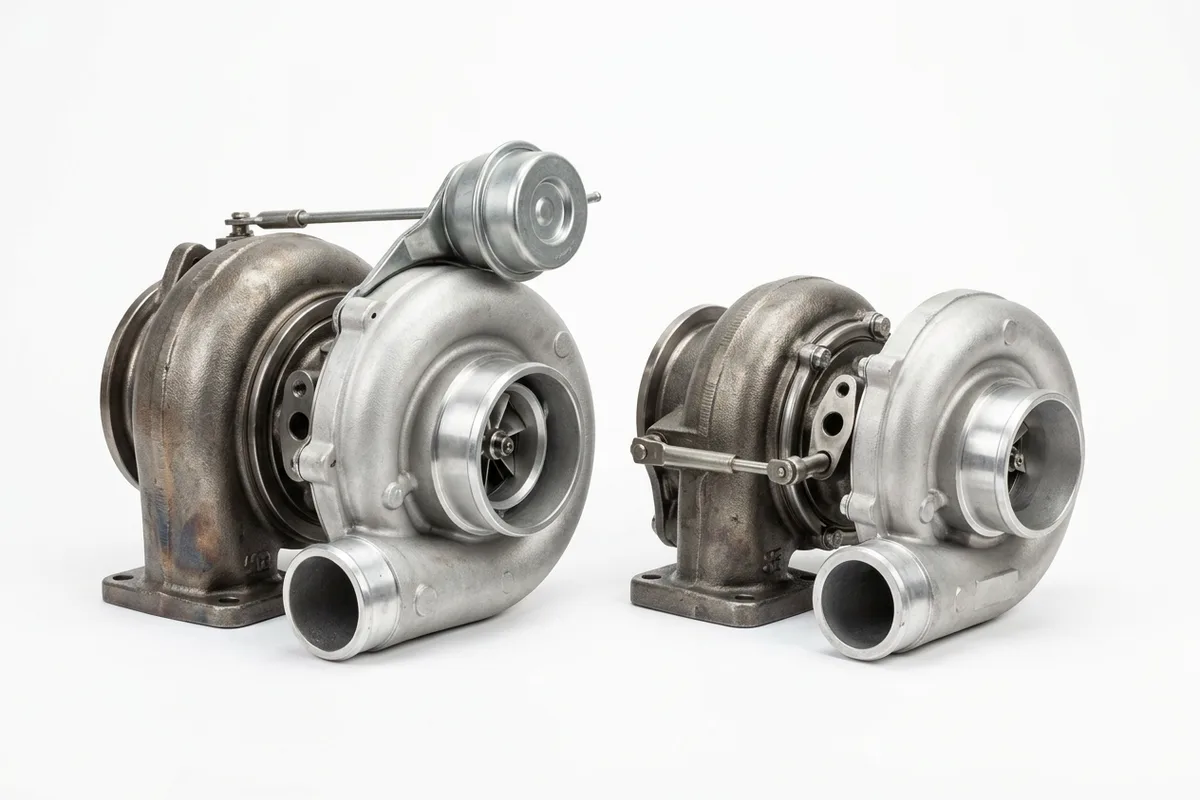
Actuator, or the turbo itself?
Used high-pressure and low-pressure turbochargers and electronic actuators for the Amarok 2.0 BiTDI. Get it scanned first — then tell us which part the codes actually point at and we will quote that one.
Get a price →DPF Blockage Problems
Applies to: both the 2.0 TDI/BiTDI and the 3.0 V6. The costs and the 2018 defect below are V6-specific.
Symptoms
- DPF warning light illuminated
- Glow plug light flashing
- Vehicle goes into limp mode
- The DPF light may not come on before a second incident
- Complete loss of power
Root causes
- DPF substrate warped or damaged
- Primarily short-distance city driving (15-25 km trips)
- Known factory defect on 2018 models
- Internal substrate cracking
- Incomplete regeneration cycles
- Warranty replacement (2018 models) — DPF replacement under warranty for the known factory defect. Free if you are still within the warranty period.
- Forced DPF regeneration — a dealer can force a regeneration. This is a temporary fix and the problem typically recurs.
- Highway regeneration drive — sustained highway driving above 2,500 rpm for about 10 km to complete a regeneration cycle.
- DPF delete with software (commonly recommended) — DPF, EGR and CAT delete with a software update and a 76 mm stainless steel downpipe: R11,800. Prevents future DPF problems permanently, but check the emissions regulations that apply to you first.
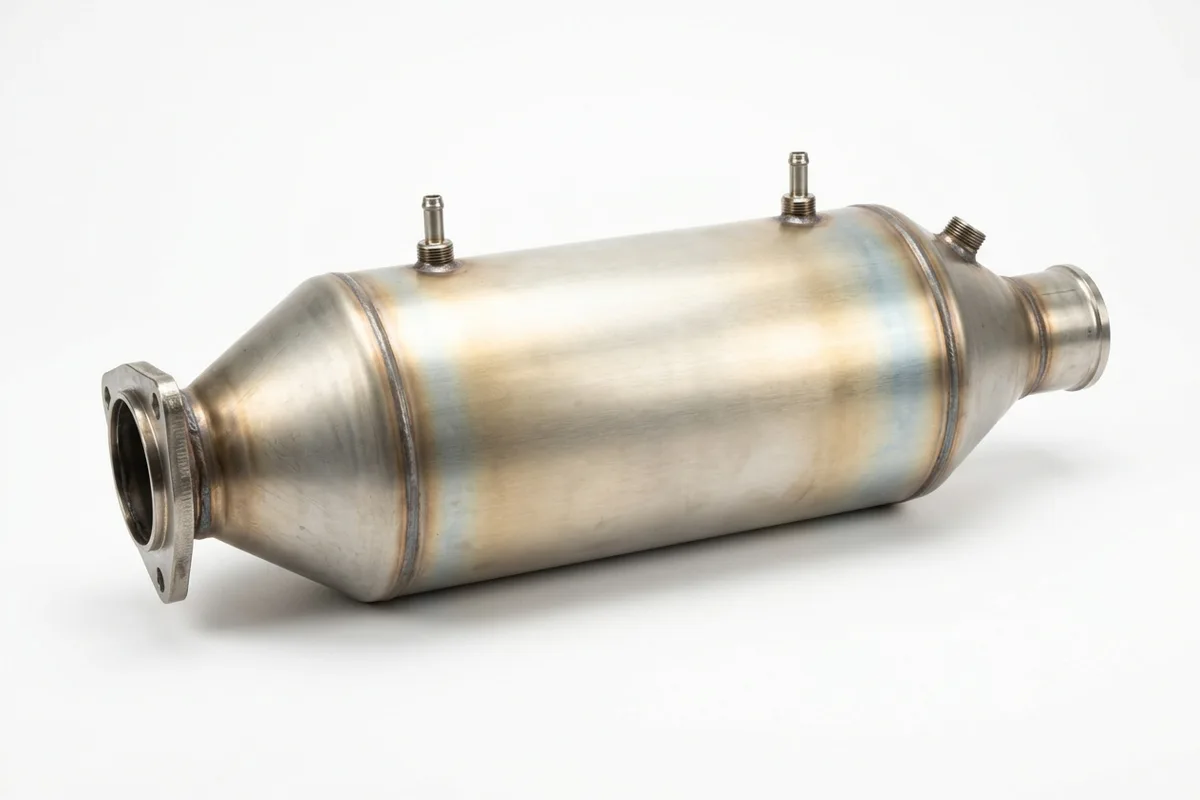
Clean the DPF, or replace it?
Used and tested DPF filters for the Amarok 3.0 V6 TDI and 2.0 BiTDI, along with the differential pressure sensors that throw the same warnings. Send your engine code and model year.
Get a price →Sources: 4x4 Community — Amarok V6 DPF Problems Discussion | Professional Pickup — Amarok DPF Problems & Owner Advice
Thermostat Failure
Applies to: both engines. Coolant-circuit faults — thermostat, water pump and the auxiliary electric pump — turn up on the four-cylinder too. The symptoms and costs below were reported on the V6.
Symptoms
- Engine running cooler than normal (around 70°C on the highway)
- Heavy fuel consumption (one owner reported 80 litres for only 620 km, 70% of it highway)
- Temperature dropping below 85°C
- Gauge dropping to 50°C on long downhills
- Slow engine warm-up from a cold start
- Temperature climbing back to 90°C under load
Causes
- Thermostat stuck open (the common failure)
- Thermostat housing cracking and leaking
- Normal wear on the V6 model
- Particularly common when towing
- Failure on long uphills
- The alternator
- The intake manifold
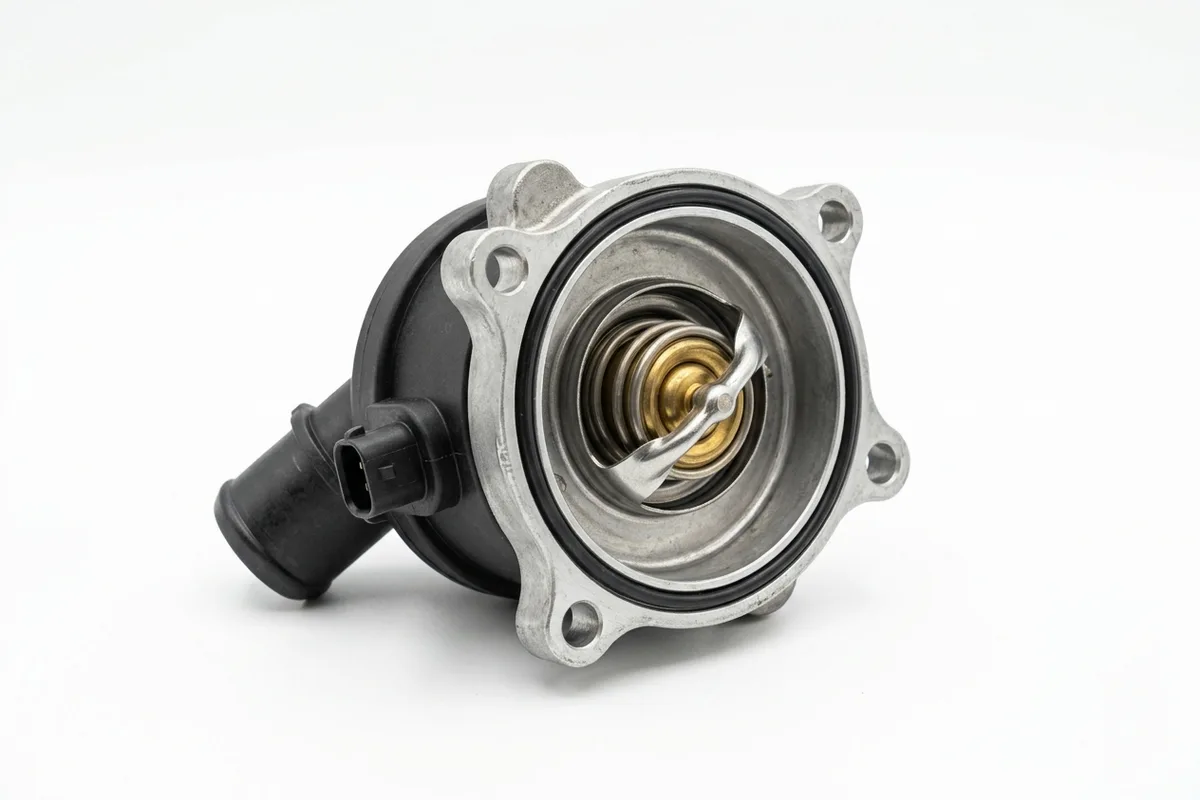
Getting to it once is expensive enough
Used thermostats, thermostat housings and water pumps for the Amarok 3.0 V6 TDI and 2.0 TDI. The alternator and intake manifold have to come off, so it pays to fit the right part first time.
Get a price →Sources: 4x4 Community — Amarok V6 Coolant Temp Sensor Failure | VW Watercooled — Amarok Thermostat Replacement Discussion
EGR Cooler Leakage — Critical Issue
Applies to: both engines, but they use different coolers — the four-cylinder takes 03L 131 511 A/J/L/Q, the V6 its own part. The mechanism is the same: internal corrosion letting coolant escape with nothing reaching the ground. The rand figures below are V6-sourced.
Symptoms
- Coolant light flashing regularly
- Using 400-500 ml of coolant per week
- No visible external leaks
- Water detected in the exhaust
- Pressure test shows no issues
- Problem persists even after the EGR valve is blanked off
Causes
- EGR cooler cracking or corrosion
- Coolant leaking through the EGR cooler
- Leak into the intake manifold and exhaust
- A known issue, and difficult to diagnose
- Can recur even after an initial fix
- Replace the EGR cooler — around R1,650 at a VW specialist (2013-2015 pricing). Check your warranty coverage first.
- Bypass the EGR cooler — bypass it in the coolant system if you are out of warranty. Some mechanics recommend a full EGR delete to stop it recurring.
- Monitor closely — after any repair, watch the coolant level so you catch a recurrence long before it damages the cylinder head.
If a leak has already gone far enough to crack the head, a tested low-mileage replacement is usually the sensible route — we source used VW engines for sale through scrap yards across South Africa.
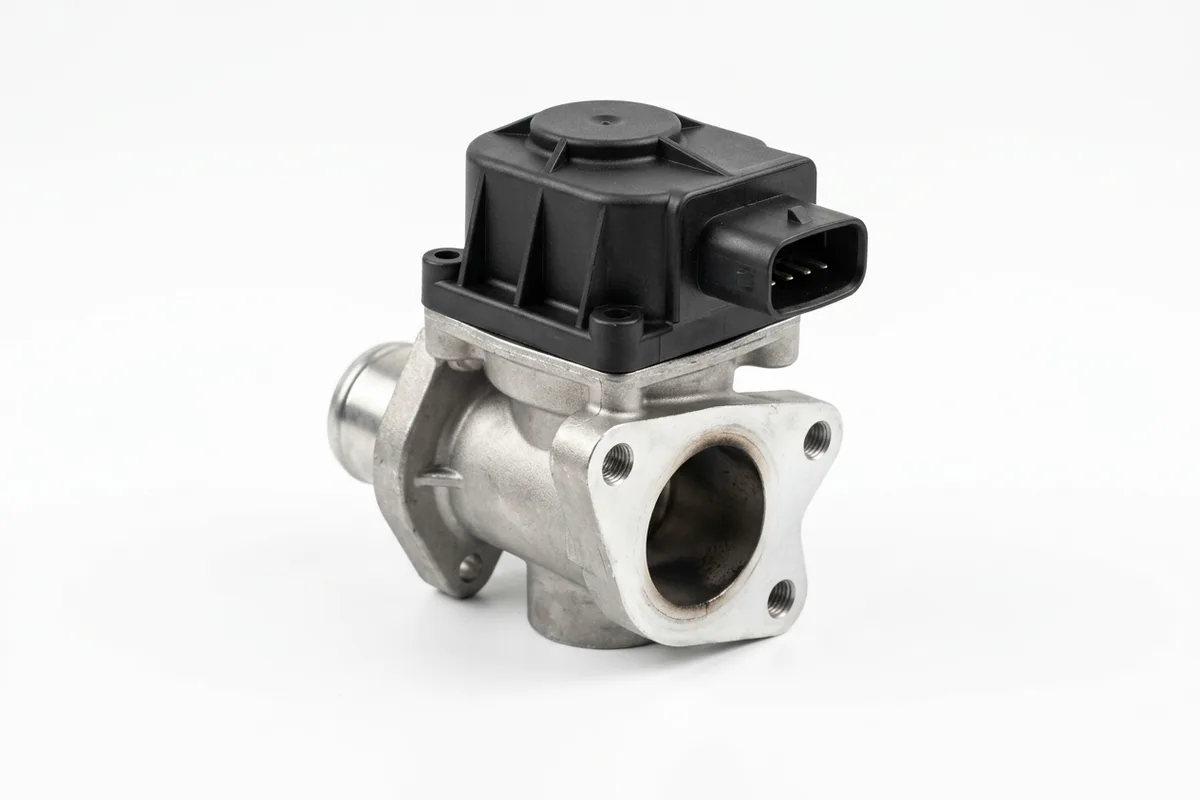
EGR cooler gone — and has it taken the head with it?
Used EGR valves and coolers for the Amarok 3.0 V6 TDI and 2.0 TDI, plus cylinder heads and complete engines where a leak has already cracked something. Send your engine code and mileage.
Get a price →Sources: 4x4 Community — Amarok V6 Coolant Leak Discussion | VW Watercooled — EGR Cooler Leak Discussion
Difflock Sensor Issues
Applies to: 4Motion models with the rear diff lock.
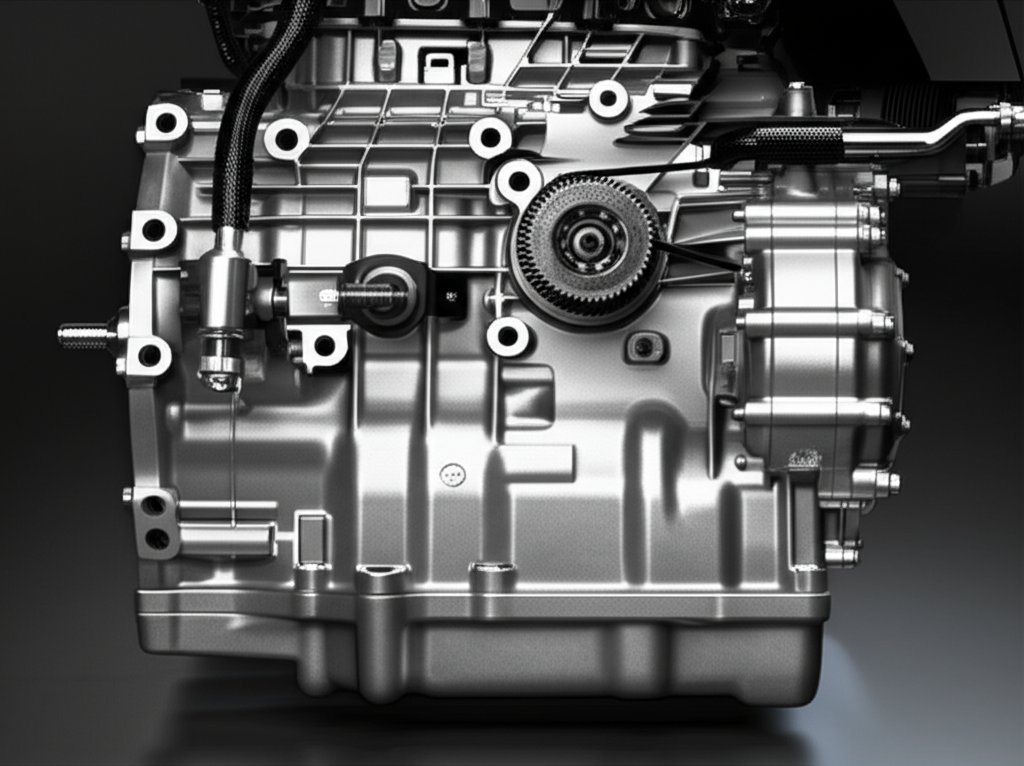
Symptoms
- Difflock malfunction warning
- 4x4 system not engaging properly
- Warning light on the dashboard
Causes and solution
- Difflock sensor ring failure
- Difflock pickup sensor failure
- Repair cost: approximately R13,000, at dealers only
- Cannot be repaired at independent workshops
Video: Amarok buyer's guide and common faults (2010-2022)
The Miles Driven runs through the faults to check for across the whole Amarok range, including the 3.0 V6 TDI. Useful whether you are diagnosing your own bakkie or inspecting one before you buy.
Sources: 4x4 Community — Amarok Diff Lock Sensor Replacement | JustAnswer — Amarok 4x4 Light Flashing Troubleshooting
Xenon Headlight Shutter Rattling
Applies to: any Amarok fitted with xenons.
Symptoms
- Light beam visibly shaking on badly corrugated gravel
- Headlight movement noticeable on bright or main beam
- Shutter mechanism rattling
- More noticeable on rough terrain
Causes
- Xenon shutter mechanism not designed for severe vibration
- The extra weight of xenon units compared with halogen
- Movement in the light mountings
- Normal shutter operation becoming visible on rough roads
- VW inspection — have the mountings checked for looseness.
- Manual adjustment — the manual headlight height adjuster wheel next to the steering column can help.
- Note — Amarok xenons do not have auto-levelling, as they fall below the lumen threshold that requires it.
Sources: 4x4 Community — Amarok Xenon Headlight Blinks On/Off | VW Vortex — Amarok OEM Bi-Xenon Retrofit Discussion
Fuel Consumption — Generally Good for a V6
Applies to: the 3.0 V6.
Real-world consumption
- A V6 achieving 10.45 km/l over a mixed 3,500 km trip including Kgalagadi 4x4 driving
- Steady highway cruising: around 10.45 km/l
- City driving typically: 10-11 l/100km
- Best consumption: 7.6-8.0 l/100km on long highway trips at legal limits
- With a chip or tune: still around 10.45 km/l
Factors affecting consumption
- City traffic and short trips push consumption up
- Driving style and speed make a significant difference
- 20-inch wheels with BF Goodrich 275/55/20 tyres: around 6 km/l (very poor)
- Towing and heavy loads increase consumption
- Highway driving — best economy comes at 80-100 km/h, under 8 l/100km.
- Performance modifications — a DPF, EGR and CAT delete improves consumption, and a 76 mm downpipe helps.
- Stage 1 tune — can improve consumption while maintaining performance.
- Wheel size — 17 or 18-inch wheels return better economy than 20-inch.
Sources: 4x4 Community — Amarok True Fuel Consumption Discussion | Professional Pickup — Long Term Amarok Fuel Economy
Loadbox Cracking (Fleet Operations)
Symptoms
- Cracks developing in the loadbox structure
- Occurred in both AEL and RCL fleet operations
- Under heavy commercial use
Causes and solutions
- Structural weakness under heavy commercial use
- Regular heavy loads in fleet operations
- Loadbox replacement or reinforcement
- May require structural welding or repair
Sources: 4x4 Community — Amarok Top Cracked Discussion | Auto Expert — Amarok Design Deficiencies & Reliability Issues
Injector leakage — 2.0 TDI and BiTDI
Applies to: the four-cylinder engines, typically from around 150,000 km.
These are common-rail injectors running at very high pressure, and with age they leak and their spray pattern degrades. It is an age-and-kilometres fault rather than a defect, and it turns up on both the single-turbo and twin-turbo four-cylinder.
What you would notice: rough running and a lumpy idle, fuel consumption climbing with no change in how you drive, more smoke and a dirtier tailpipe, misfiring, and hard starting from cold. There is a knock-on effect too — an injector that atomises poorly makes more soot, which gives the DPF more to trap.
Clutch judder on a working bakkie — dual-mass flywheel
Applies to: manual four-cylinder models. The flywheel is a wear component by design.
Judder when pulling away, worst when cold and worst in first or reverse. Rattling at idle that quietens as the revs rise. Vibration through the pedal or the floor. Eventually a clutch that slips under load — most obvious when towing or climbing with weight on.
What shortens a flywheel’s life is exactly the work a bakkie does: towing, heavy loads, pulling away repeatedly on inclines, stop-start use. A four-cylinder hauling a load leans on the clutch harder than a passenger car ever does. Our burnt-out clutch guide covers how to tell clutch wear from flywheel wear if you are not sure which you are looking at.
South African price: new clutch-and-flywheel kits for the Amarok were listed by two independent local suppliers at roughly R12 300 to R12 450 for the parts, with labour on top.
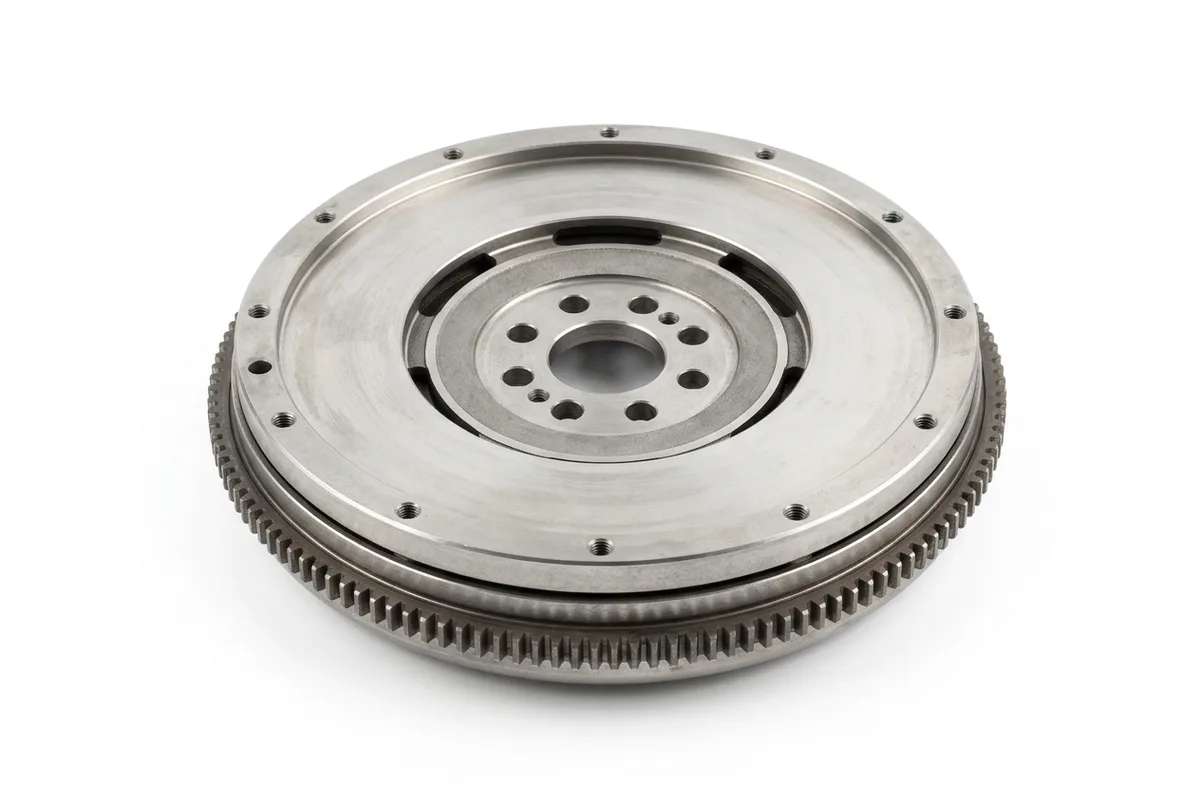
Doing the clutch? Price the flywheel too
Dual-mass flywheels, clutch kits and release bearings for the Amarok 2.0 TDI and BiTDI. Tell us the engine code and whether it tows, and we will quote the matched set rather than the plate alone.
Get a price →Prevention & Maintenance Tips
- Regular highway driving so the DPF can regenerate
- Avoid a diet of only short city trips (15-25 km)
- Act on DPF warning lights immediately
- Check warranty status if you have a 2018 model
- Consider a delete if you are out of warranty and it keeps recurring
- Monitor the engine temperature gauge regularly
- Check thermostat function if the engine runs cool
- Watch for coolant loss — it is the earliest sign of an EGR cooler leak
- Annual cooling system inspection
- Address EGR cooler leaks immediately
- DPF warning lights — immediate attention required
- Coolant loss without visible leaks — check the EGR cooler
- Engine running too cool — check the thermostat
- Heavy fuel consumption — several possible causes
- Difflock warnings — dealer inspection needed
Frequently asked questions
What are the most common VW Amarok problems?
Does the VW Amarok 2.0 TDI have a timing chain or a timing belt?
Why do VW Amarok 2.0 TDI engines fail from a broken belt?
How much does Amarok belt failure cost to repair in South Africa?
Why does my Amarok 2.0 BiTDI lose power below 3,000 rpm?
What are the most common DPF problems in VW Amarok V6?
How much does it cost to fix Amarok V6 DPF problems?
Why does my Amarok V6 thermostat fail and how do I fix it?
What causes EGR cooler leakage in Amarok V6?
How much does difflock sensor repair cost for Amarok V6?
What is normal fuel consumption for Amarok V6?
Should I consider a full delete package (DPF/EGR/CAT delete)?
Parts we strip for this job
If this guide has pointed you at a part, these are the pages worth a look. Not sure which one you need? Send us the details and we will work it out with you.