
Automotive Guide
Battery Light On: Causes & What To Do | VW Guide

5 min read
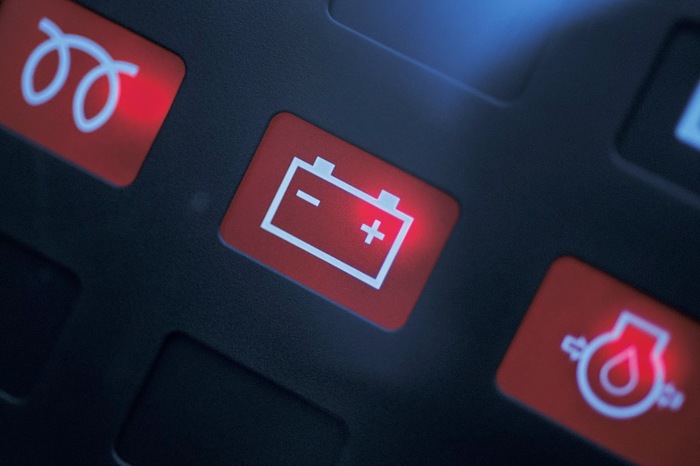
Critical warning
When the battery light illuminates on your dashboard, it indicates a serious problem with your vehicle's charging system. This is not a minor issue — it means your battery is not being charged and will eventually die, potentially leaving you stranded. Immediate attention is required to prevent further damage and breakdown.
A comprehensive guide to understanding why your battery light is illuminated, what it means for your vehicle, and how to address the issue before it leaves you stranded.
What the battery light actually means
Contrary to popular belief, the battery light doesn't necessarily mean your battery is bad. It indicates that your vehicle's electrical system is not charging properly. The alternator, which is responsible for charging the battery while the engine runs, is either not working or not providing sufficient power.
Causes of Battery Light Illumination
1. Failing Alternator
The most common cause of battery light issues. The alternator converts mechanical energy from the engine into electrical energy to charge the battery and power electrical systems.
- Worn-out brushes or bearings
- Faulty voltage regulator
- Damaged stator or rotor windings
- Internal electrical failures
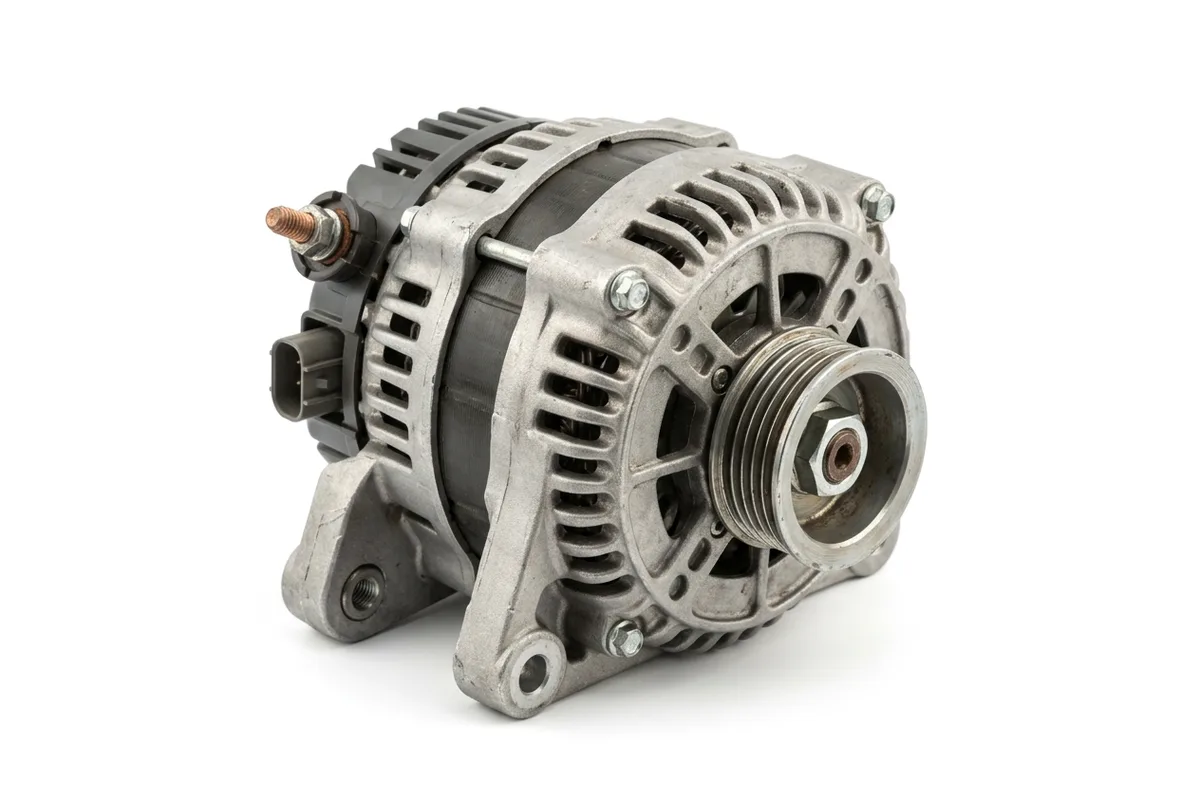
Rebuild the alternator, or swap it?
Tested second-hand alternators stripped from Golf 4 to Golf 7, Polo, Polo Vivo, Jetta, Caddy and Tiguan, petrol and TDI. Send us the part number stamped on the casing and we will match it.
Get a price →2. Broken or Loose Alternator Belt
The alternator belt (serpentine belt) drives the alternator. If it breaks, slips, or becomes loose, the alternator cannot spin and generate electricity.
- Belt wear and tear over time
- Improper tension
- Oil or coolant contamination
- Damaged belt pulleys
3. Electrical System Issues
Problems in the electrical wiring or connections can prevent proper charging.
- Corroded or loose battery terminals
- Damaged wiring between alternator and battery
- Faulty ground connections
- Blown fuses in the charging circuit
4. Dead or Failing Battery
While less common, a completely dead battery can cause the light to stay on, especially if it cannot accept a charge.
- Battery age (typically 3-5 years)
- Extreme temperature exposure
- Deep discharge cycles
- Internal cell failure
Warning Signs and Symptoms
Primary warning signs
Electrical system issues:
- Dimming headlights
- Flickering dashboard lights
- Slow power window operation
- Weak horn sound
- Radio cutting out
Performance problems:
- Engine stalling
- Difficulty starting
- Rough idle
- Loss of power steering
- ABS warning lights
Progressive Symptoms
The symptoms typically worsen as the battery discharges:
| Stage | What you’ll notice |
|---|---|
| Stage 1 | Battery light appears, slight dimming of lights |
| Stage 2 | Noticeable dimming, electrical accessories slow down |
| Stage 3 | Engine misfires, dashboard warnings appear |
| Stage 4 | Engine stalls, vehicle becomes inoperable |
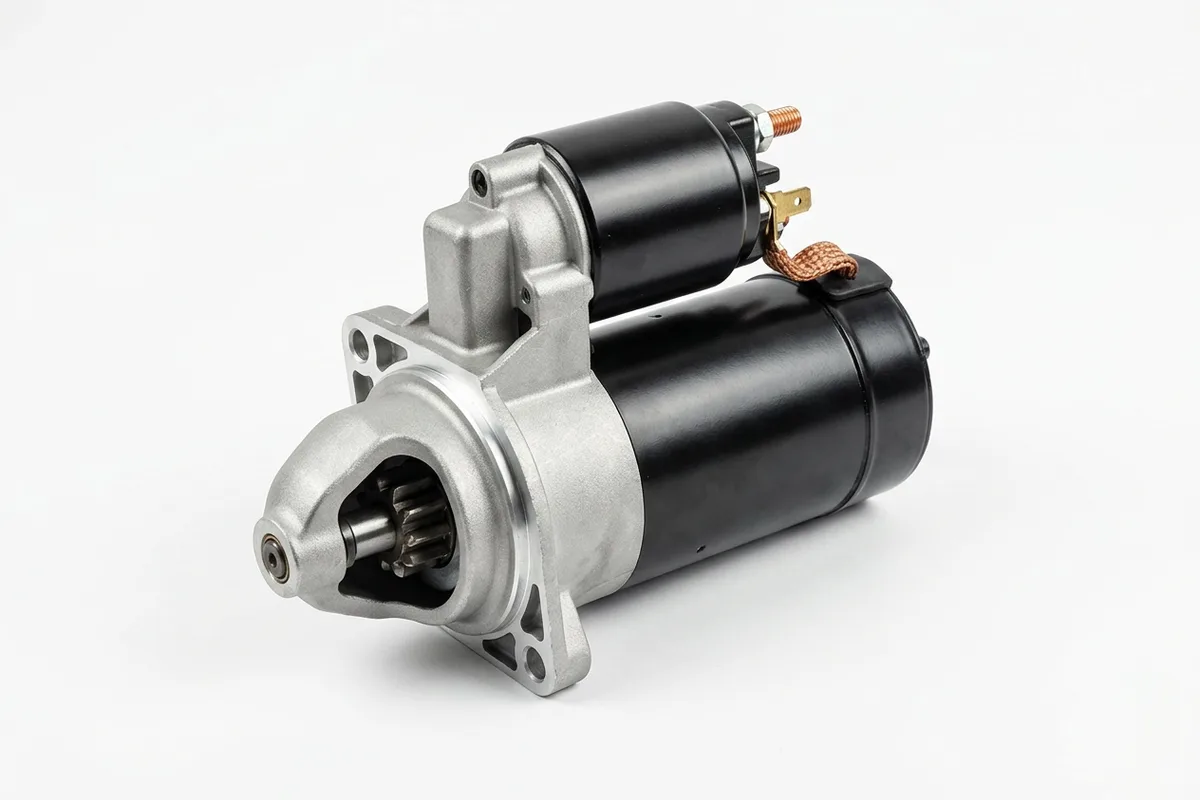
Cranking slowly, or just clicking?
Weeks of running on an undercharged battery are hard on a starter, and a tired one often gives up next. We strip tested starter motors off Golf, Polo, Jetta, Caddy and Tiguan, petrol and diesel.
Check availability →Diagnosis Steps
Professional diagnosis recommended
While you can perform basic checks, a professional diagnosis is recommended for accurate results and to prevent further damage.
Step 1: Visual Inspection
- Check battery terminals for corrosion or looseness
- Inspect alternator belt for wear, cracks, or looseness
- Look for damaged or disconnected wiring
- Check for oil or coolant leaks near the alternator
Step 2: Voltage Testing
A multimeter across the battery terminals tells you most of what you need to know.
| Reading | Engine off (battery voltage) | Engine running (charging voltage) |
|---|---|---|
| Healthy | 12.6V or higher | 13.5-14.5V |
| Marginal | 12.0-12.5V (low charge) | Below 13.0V — alternator problem |
| Faulty | Below 12.0V (dead or failing) | Above 15.0V — voltage regulator issue |
Video guide: what the battery light is really telling you
A working mechanic walks through what the battery warning light actually means, how to tell the battery apart from the alternator, and which part to replace to get moving again.
Consequences of Ignoring the Battery Light
Immediate risks
- Vehicle breakdown: the engine will eventually stall and won't restart
- Safety hazards: once the engine stalls you lose power steering assistance, brake servo assistance and lights
- Stranded: you may be left in an unsafe location
- Additional damage: electrical components may be damaged
Long-term consequences
- Battery damage: deep discharge can permanently damage the battery
- Electrical system damage: voltage spikes can harm sensitive electronics
- Increased repair costs: what could be a simple fix becomes expensive
- Reduced vehicle reliability: ongoing electrical issues
Solutions and Repairs
Battery Replacement
Straightforward and relatively inexpensive
If the battery is the issue, replacement is the easiest repair on this list.
- Cost: R1,400-R3,200 depending on size, quality and warranty
- Installation: 30-60 minutes
- Warranty: 12-24 months typical in South Africa
- DIY friendly with proper tools
Alternator Repair or Replacement
The most common fix
Alternators are the primary cause of battery light issues, so this is where most repairs end up.
- Cost: R2,500-R6,500 fitted for a good second-hand or reconditioned unit; genuine new VW units can run past R10,000
- Labour: 1-3 hours
- Options: rebuild the existing unit, or replace with a new, reconditioned or good used one
- Professional installation recommended
Second-hand alternators stripped from low-mileage cars are the sensible middle ground on an older VW — the same unit at a fraction of the dealer price. We carry charging system parts for VW Golf, Polo and Jetta models and can quote you on a tested replacement.
Belt Replacement
Cheap, but do not skip the tension check
If the alternator belt is worn or broken, replacement is necessary.
- Cost: R700-R1,800 including labour
- Time: 30-60 minutes
- DIY possible with proper tools
- Check tension after installation
Prevention Tips
Regular Maintenance
Battery care:
- Test battery annually
- Clean terminals regularly
- Check for corrosion
- Replace every 3-5 years
Alternator care:
- Inspect belt condition
- Check belt tension
- Test charging system
- Listen for unusual noises
Best Practices
- Avoid short trips: give the alternator time to charge the battery
- Don't leave accessories on: turn off lights, radio and chargers when parked
- Use quality parts: invest in good batteries and alternators
- Address issues promptly: don't ignore warning lights
- Keep records: document maintenance and repairs
Frequently asked questions
What does the battery light on my dashboard mean?
Can I drive with the battery light on?
How do I know if it's the battery or the alternator?
What causes the battery light to come on?
How much does it cost to fix a battery light issue in South Africa?
How can I prevent battery light issues?
Parts we strip for this job
If this guide has pointed you at a part, these are the pages worth a look. Not sure which one you need? Send us the details and we will work it out with you.